



2. When the engine is cold, the fluid level should be between the maximum and minimum marks on the expansion tank.
Attention! When the engine is warm, the fluid level is always higher, so do not be misled by a too high level in this case!
3. To add coolant, open the cap, if the engine is hot, put a thick rag on the cap and open it slowly. Slowly unscrewing the cap allows you to gradually reduce the pressure in the system. If you open the cap too quickly, hot water may splash out of the tank due to the release of pressure and cause burns.
4. When adding liquid, its level should not be higher than the maximum mark. When heated, the liquid expands, and the excess amount of liquid comes out of the system.
5. A small amount of fluid can be added both when the engine is warm and when it is cold.
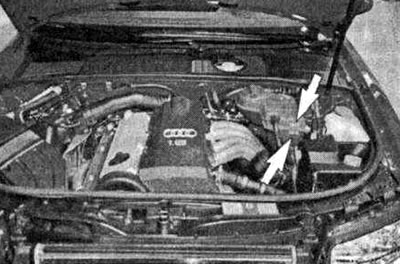
The coolant level in the expansion tank (arrow) should be between the minimum and maximum marks. Large deviations in either direction indicate a malfunction, the cause of the defect must be determined. In the case of a hot engine, the threaded cap must first be carefully opened one turn, otherwise there is a risk of getting burned. To be sure, it is advisable to use a rag when opening.
The engine is losing coolant
If the engine loses a large amount of coolant while driving, do not add cold water under any circumstances. This will cause the engine to experience cold shock, which can deform the cylinder head. The head seal becomes loose, and coolant can enter the engine's circulating lubrication system. In the worst case, the cylinder block will crack due to cold shock. Wait until the engine cools down, add water, and ask the nearest workshop to determine the cause of the coolant loss.