



The A4 has undergone five generations of modifications and is based on the Volkswagen Group B platform. The automaker's internal numbering considers the A4 a continuation of the Audi 80 line—the initial A4 is designated the B5 series, followed by the B6, B7, B8, and B9. The B8 and B9 series are built on the Volkswagen Group MLB platform, shared by many other Audi models.
The A4 body is produced as a sedan and station wagon. The second (B6) and third (B7) generations of the A4 had a convertible body, but then, starting with the fourth generation (B8), it became a separate model called the Audi A5. There is a sports version of the A4 called the Audi S4.
The development of the car began back in 1988, and the first design sketches were created at the end of that year. By 1991, the exterior design had been chosen and frozen until production in 1994. Interior design was completed in 1992, and experimental production began in the first half of 1994. Development was completed in the third quarter of 1994.
The car's closest competitors are BMW 3 Series, Volkswagen Passat, Kia Optima, Infiniti G, Honda Accord, Hyundai Sonata, Opel Insignia, Peugeot 408, Ford Mondeo, Mazda 6, Mitsubishi Galant, Mercedes C-Class, Nissan Teana, Renault Laguna, Toyota Camry, Subaru Legacy and Skoda Superb.
Audi B5 (1994–2001)
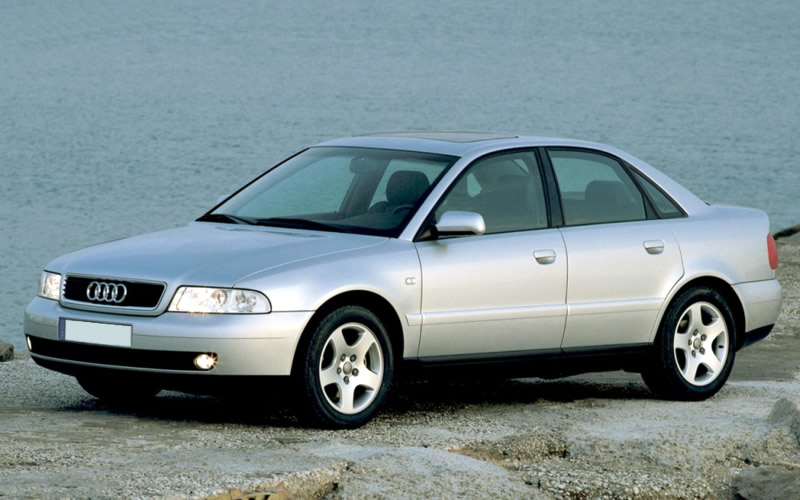
Audi А4 1995, sedan
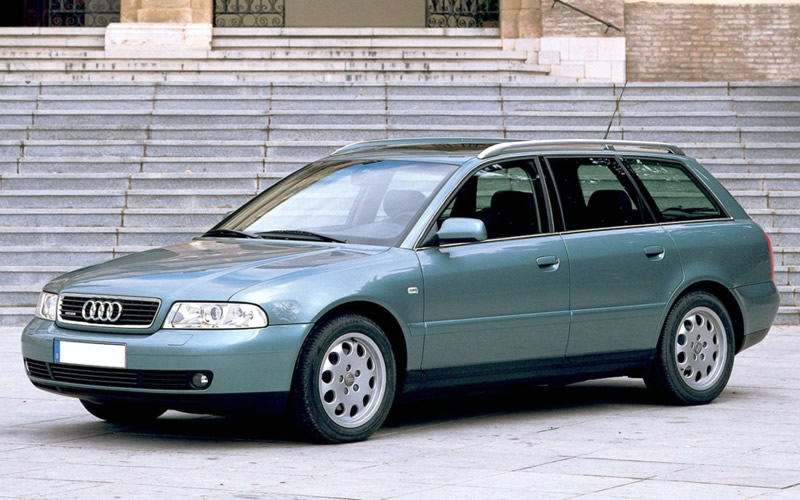
Audi А4 1995, station wagon
The choice of engines is very large. Petrol 4-cylinder engines with a volume of 1.6 to 1.8 liters and a power of 101 to 180 hp, 6-cylinder V-shaped engines with a volume of 2.4 to 2.8 liters and a power of 150 to 381 hp. Diesel 4-cylinder engines with a volume of 1.9 liters and a power of 75 to 115 hp, 6-cylinder V-shaped 2.5-liter engine with a power of 150 hp.
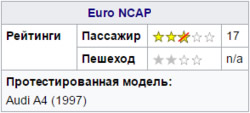
Audi B6 (2000–2006)
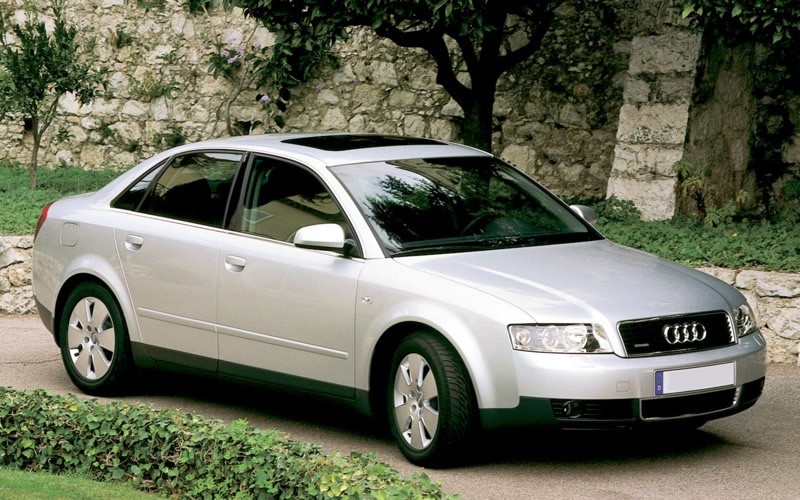
Audi А4 2000, sedan
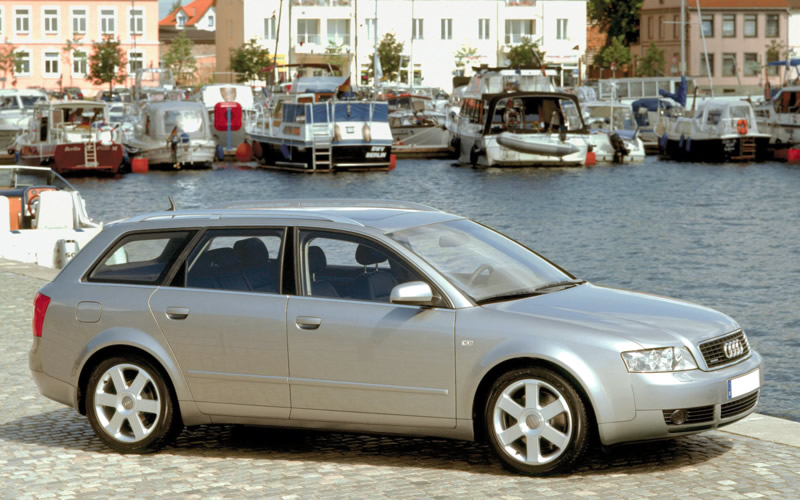
Audi А4 2000, station wagon
A choice of engines to suit even the most discerning taste. Petrol - 4-cylinder with a volume of 1.6 to 2.0 liters and a power of 101 to 187 hp, 6-cylinder V-shaped with a volume of 2.4 liters (168 hp) and 3.0 liters (217 hp). Diesel - 1.9 liters (l4, 99-128 hp) and 2.5 liters (V6, 153-178).
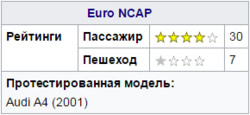
Audi B7 (2004–2008)
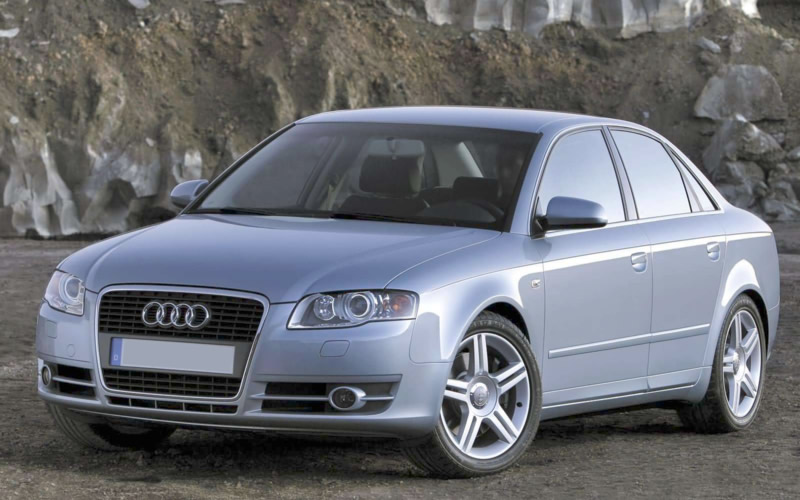
Audi А4 2004, sedan
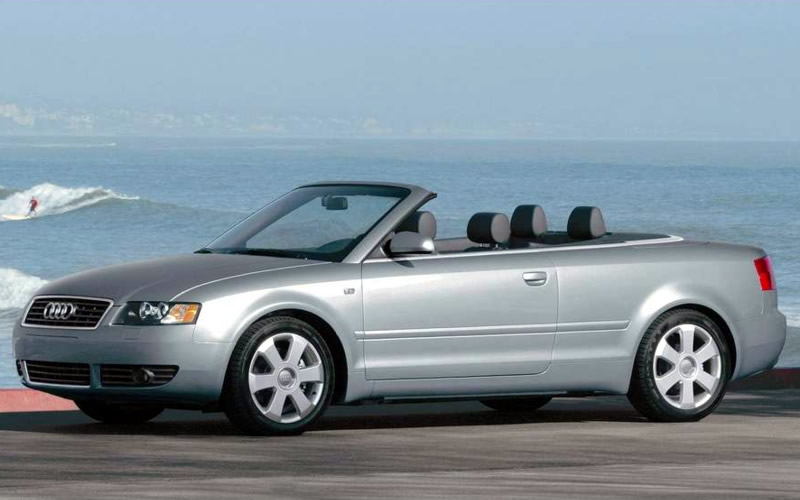
Audi А4 2004, cabriolet
A number of engines have received many additions. In 2005, Fuel Direct Injection (FSI) was introduced for the 2.0 TFSI and 3.2 V6 FSI petrol engines, along with other improvements, increasing output to 197 PS and 252 PS, respectively. These engines use a four-valve-per-cylinder configuration.
There are four transmissions to choose from: a 5- or 6-speed manual, a 6-speed automatic "Tiptronic", and a continuously variable transmission "Multitronic" (CVT) with a choice of seven speeds.
Audi B8 (2009–2015)
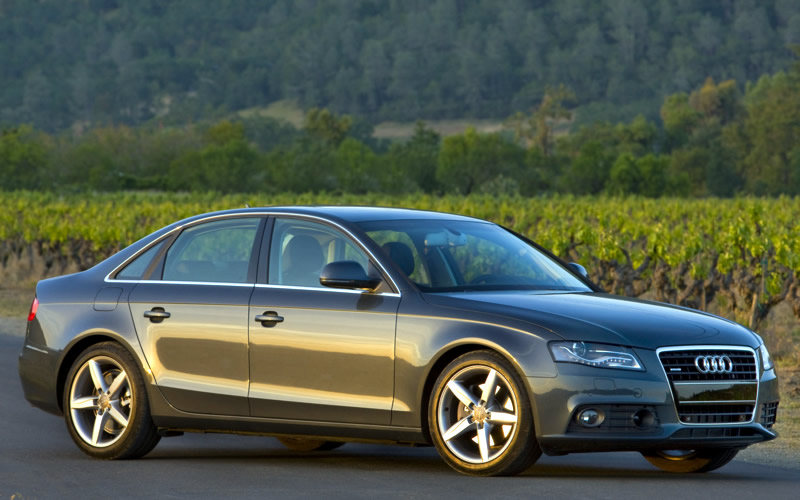
Audi А4 2009, sedan
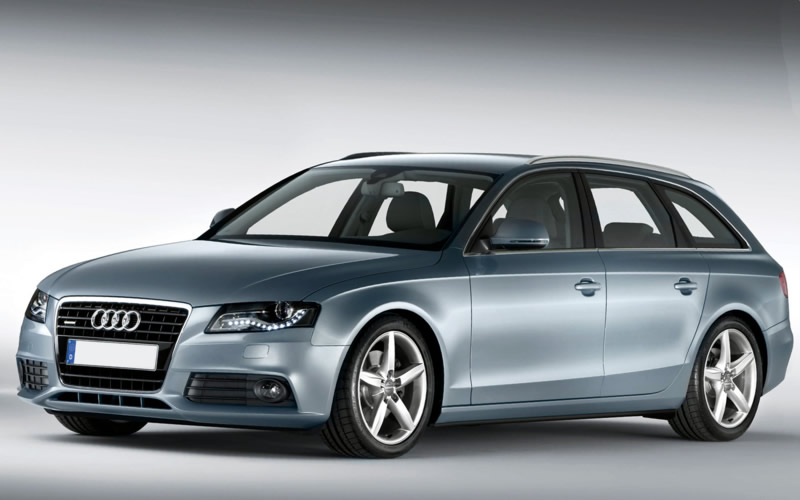
Audi А4 2009, station wagon
There are now five different transmission options available: a 6-speed manual, a 6-speed Tiptronic, an 8-speed automatic, a 7-speed DSG S tronic, and an 8-speed CVT "Multitronic".
Audi B9 (2015–2025)
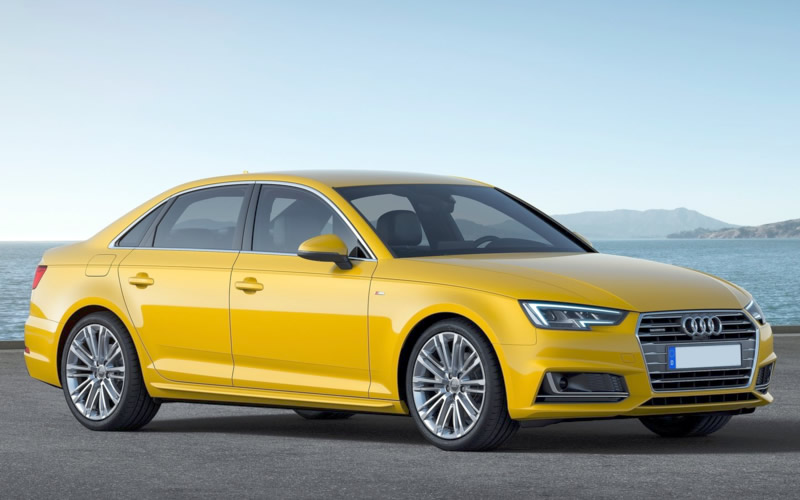
Audi А4 2015, sedan
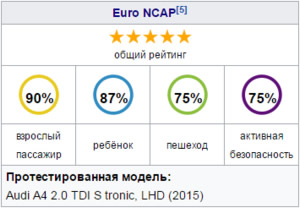
There are three transmission options to choose from: a 6-speed manual or a 7- and 9-speed DSG "S tronic".
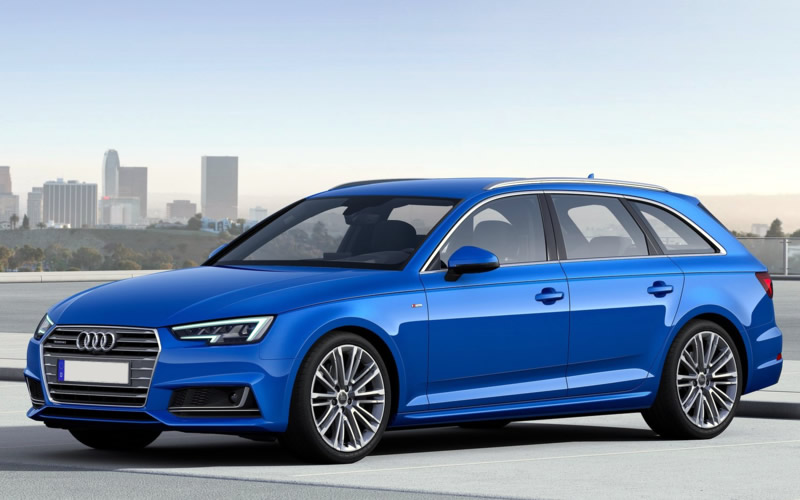
Audi А4 2015, station wagon
2025 was the last year of production for this model, but the baton of this class was taken up by the Audi A5, which had been produced since 2007.
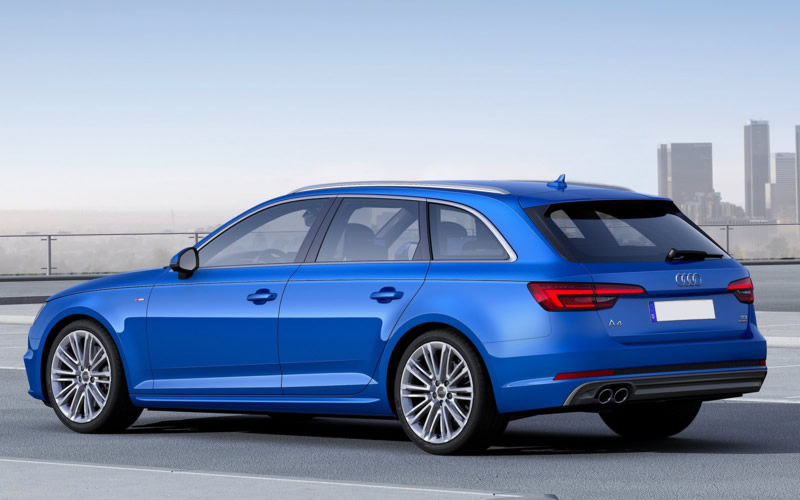 Audi А4 2015, station wagon, back view | 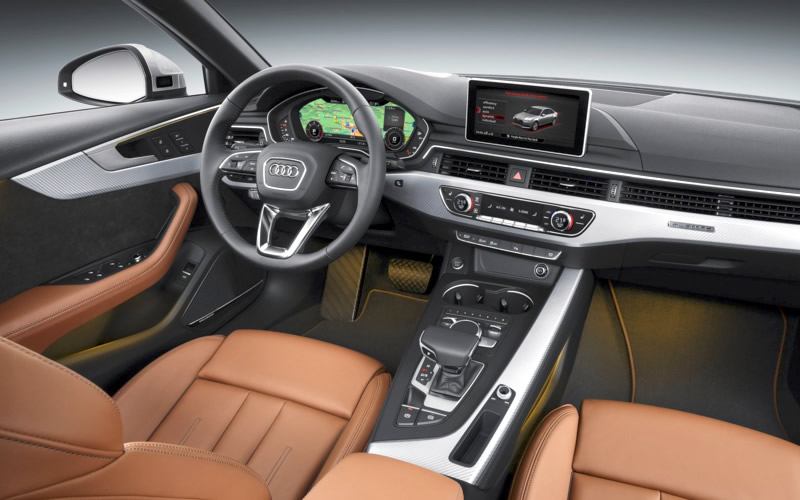 Salon Audi А4 2015 | 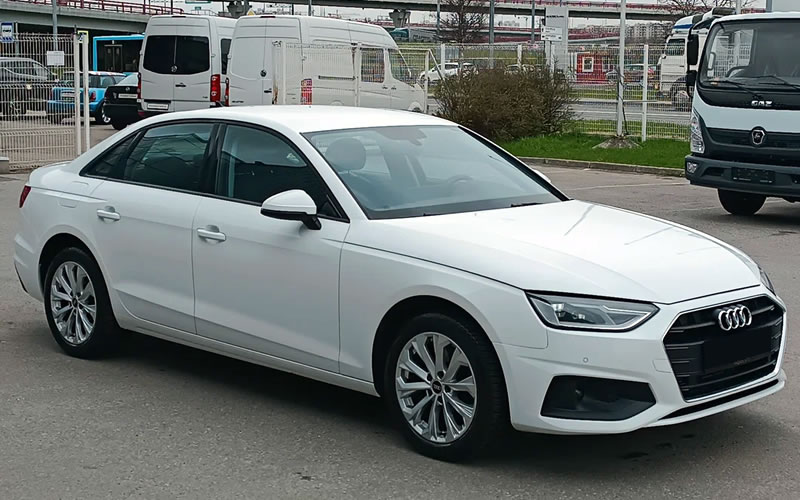 Audi А4 2021, restyling |