Repair Chevrolet Repair Toyota Repair Honda Repair AvtoVAZ Repair Mercedes-Benz Repair BMW Repair Opel
Home  |  Contacts  |  Sitemap  |    
English Русский
Български
Беларускі
Український
Српски
Hrvatski
Română
Polski
Slovenský
Magyar
AudiManual.ru


  • AUDI 80
  • AUDI 100
  • AUDI A3
  • AUDI A4
  • AUDI A6
  • AUDI A8
  • AUDI Q
  • OTHER
  • ARTICLES
B4 (1991-1996) B3 (1986-1991) B3 (1986-1991, petrol) B2 (1979-1986)

Carburetor — disassembly, cleaning and assembly (Audi 80 B3)

  • Home
  • Audi 80
  • B3 (1986-1991, petrol)
  • Power unit
  • Fuel and exhaust systems
  • Carburetor — disassembly, cleaning and assembly
            0
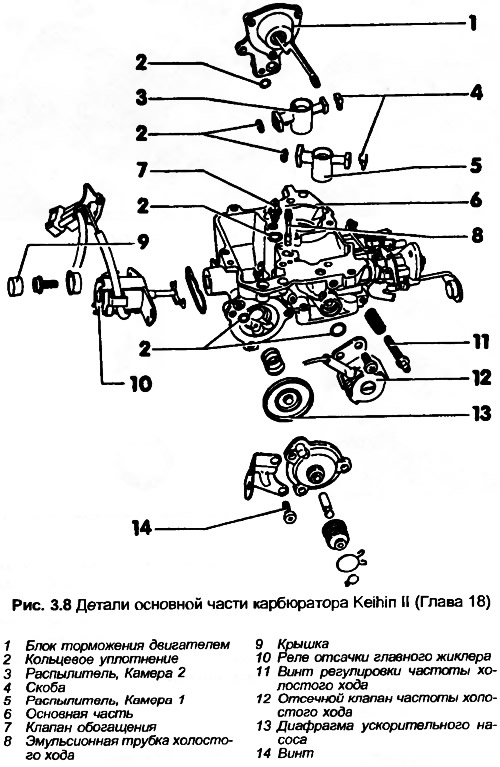
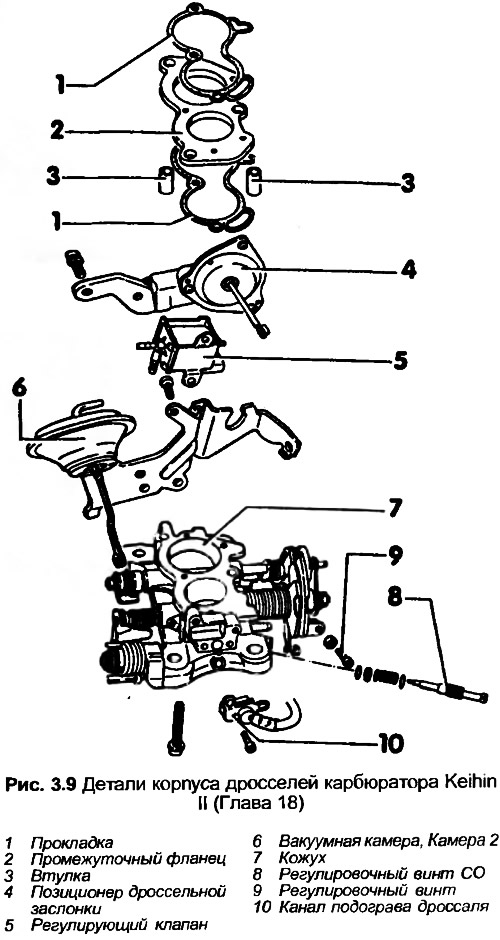
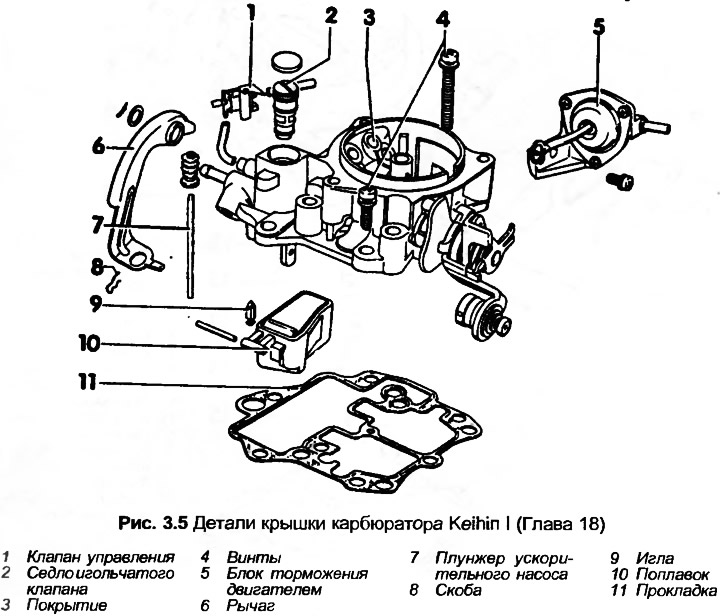
Note: The following steps describe procedures for the Keihin I carburetor. Procedures for the Keihin II carburetor are similar, but refer to Figures 3.5-3.9
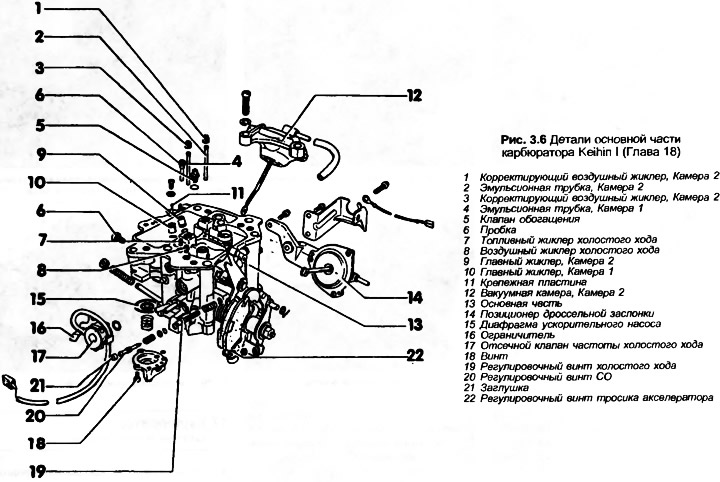
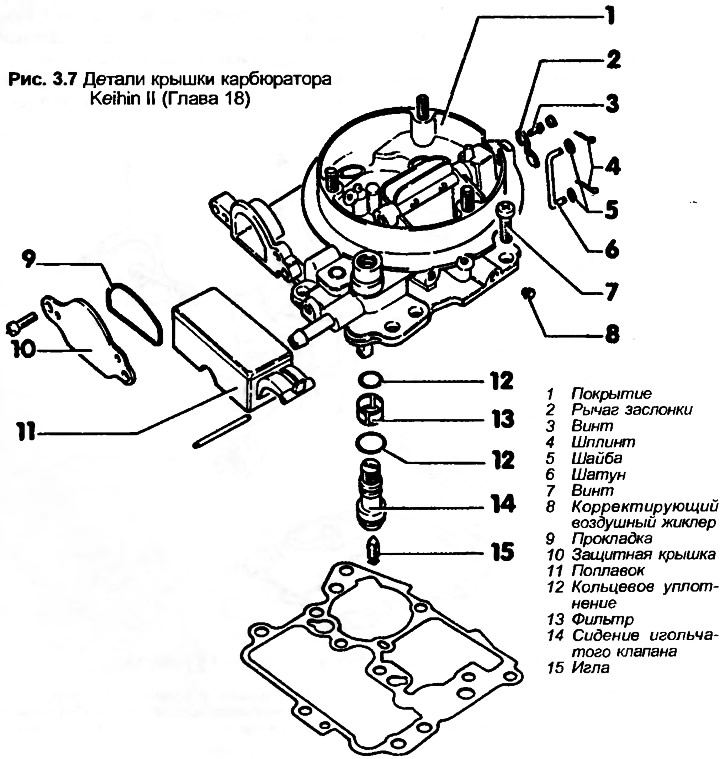
Note: The following steps describe procedures for the Keihin I carburetor. Procedures for the…


Note: The following steps describe procedures for the Keihin I carburetor. Procedures for the…


Note: The following steps describe procedures for the Keihin I carburetor. Procedures for the…


Note: The following steps describe procedures for the Keihin I carburetor. Procedures for the…


Note: The following steps describe procedures for the Keihin I carburetor. Procedures for the…


1. With the carburetor removed from the engine, clean the outside surface.


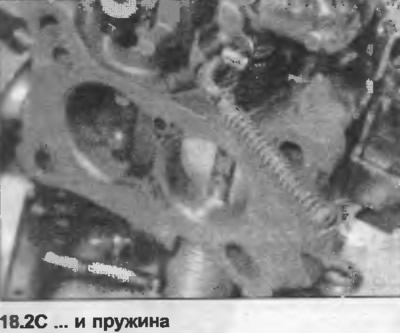
2. Disconnect the accelerator pump rod, remove the spring clip, separate the rod and remove the nylon bushing with the spring (photo).
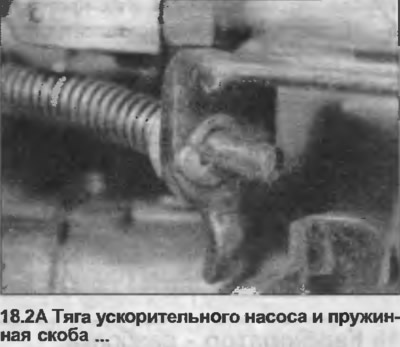
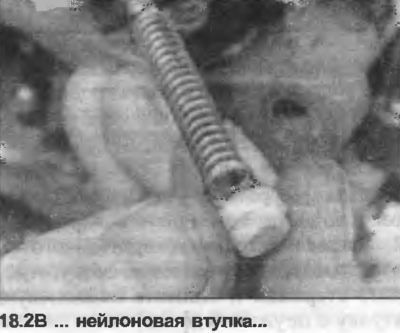
2. Disconnect the accelerator pump rod, remove the spring clip, separate the rod and remove the…


2. Disconnect the accelerator pump rod, remove the spring clip, separate the rod and remove the…


2. Disconnect the accelerator pump rod, remove the spring clip, separate the rod and remove the…


3. Remove the cotter pin and remove the washer with the rod (photo).
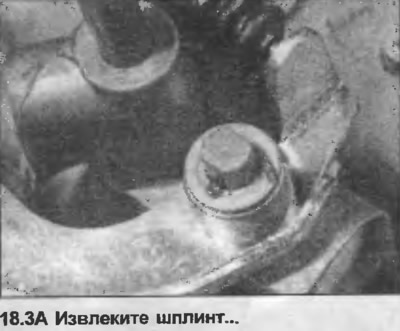
3. Remove the cotter pin and remove the washer with the rod (photo).
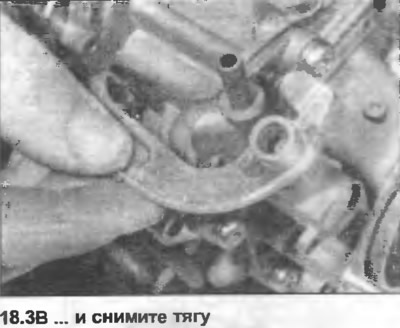

3. Remove the cotter pin and remove the washer with the rod (photo).


4. Unscrew the screws. Remove the gasket (photo).
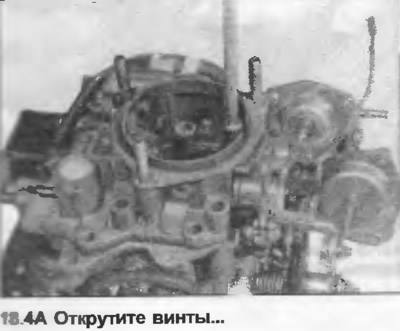
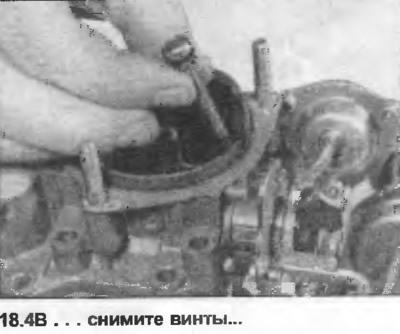
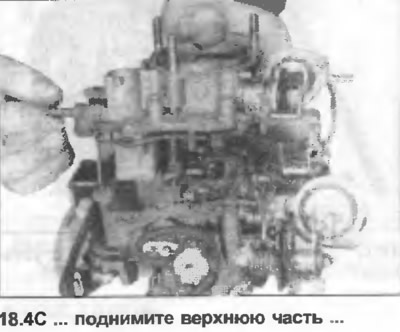
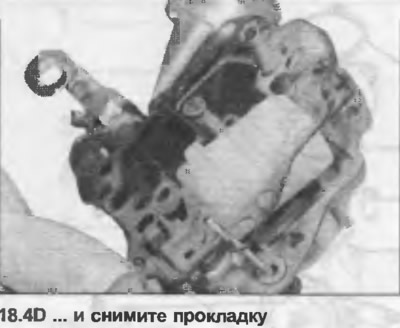
4. Unscrew the screws. Remove the gasket (photo).


4. Unscrew the screws. Remove the gasket (photo).


4. Unscrew the screws. Remove the gasket (photo).


4. Unscrew the screws. Remove the gasket (photo).


5. Unscrew the screw from the base of the float chamber and remove the main jet holder (photo).


5. Unscrew the screw from the base of the float chamber and remove the main jet holder (photo).
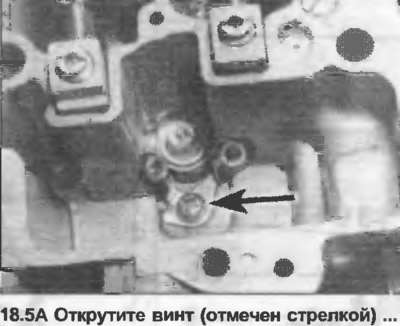
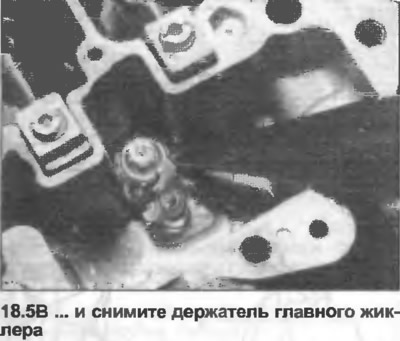
5. Unscrew the screw from the base of the float chamber and remove the main jet holder (photo).


6. Carefully remove the main jets. If necessary, remove the O-ring (photo).
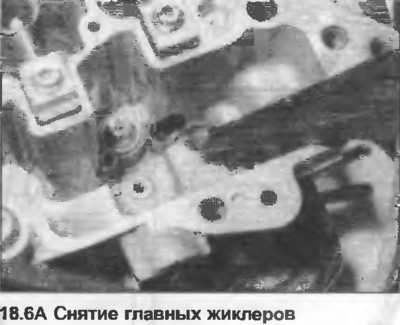
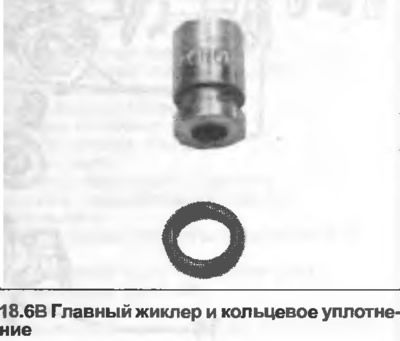
6. Carefully remove the main jets. If necessary, remove the O-ring (photo).


6. Carefully remove the main jets. If necessary, remove the O-ring (photo).


7. Unscrew and remove the correcting air jets and emulsion tubes (photo).
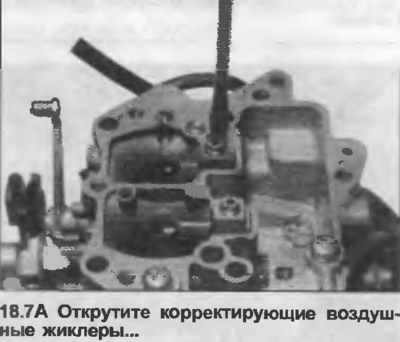
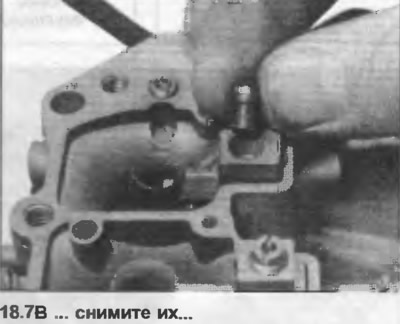
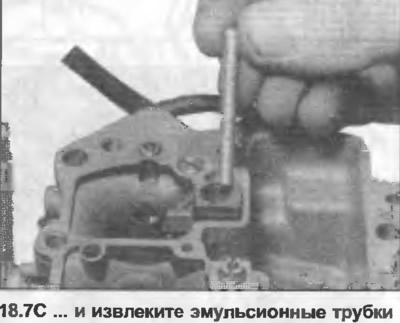
7. Unscrew and remove the correcting air jets and emulsion tubes (photo).


7. Unscrew and remove the correcting air jets and emulsion tubes (photo).


7. Unscrew and remove the correcting air jets and emulsion tubes (photo).


8. Unscrew the enrichment valve from the base of the float chamber.

9. Unscrew the idle air jet, then unscrew the plug and remove the idle fuel jet.

10. Press out the float pivot pin and remove the float with the needle valve. Disconnect the valve.

11. Disassemble the carburetor only for cleaning. Clean all parts with fuel and, if possible, blow them out with compressed air. Do not clean the jets and holes with a wire. Check the needle valve and float for wear. Replace them if necessary.


12. Assembly is carried out in the reverse order (photo). Before installing the upper part, check that the upper position of the float corresponds to the data in Specifications.
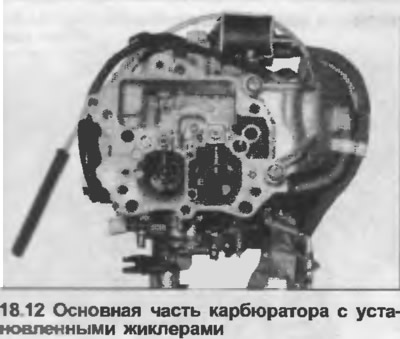
12. Assembly is carried out in the reverse order (photo). Before installing the upper part, check…


13. Referring to Fig. 3.10 or 3.11, clamp the cover at a 60° angle so that the needle valve is closed and the spring pin is not clamped.
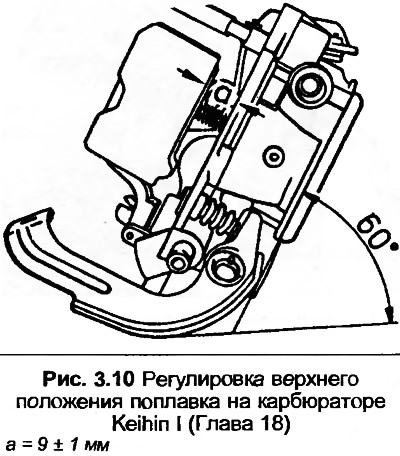
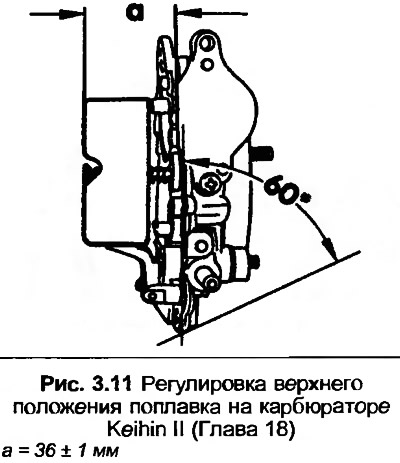
13. Referring to Fig. 3.10 or 3.11, clamp the cover at a 60° angle so that the needle valve is…


13. Referring to Fig. 3.10 or 3.11, clamp the cover at a 60° angle so that the needle valve is…


14. Measure the distance between the top of the float and the cover (without gasket), using a steel ruler (photo). If adjustment is necessary, remove the plug from the cover and move the needle valve as required.
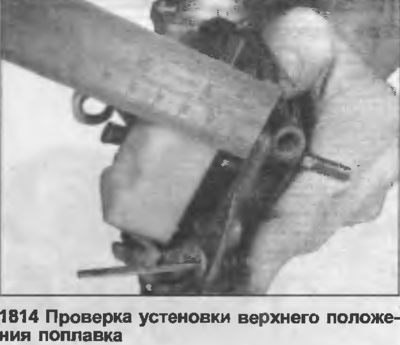


14. Measure the distance between the top of the float and the cover (without gasket), using a steel…


15. Before installing the cover mounting screws, apply thread locking fluid (photo) to the threads and lubricate all connections with molybdenum grease.
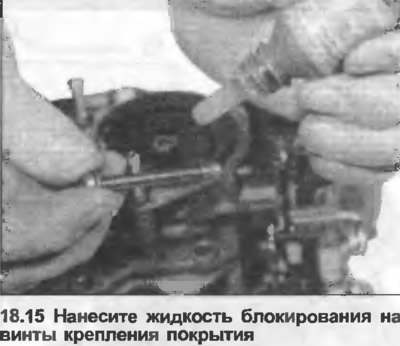
15. Before installing the cover mounting screws, apply thread locking fluid (photo) to the threads…
The article was checked by auto expert Timur Bazhenov
This article is available at russian, bulgarian, belarusian, ukrainian, serbian, croatian, romanian, polish, slovak, hungarian

Share information:
Previous articles
Audi 80 B3: Fuel and exhaust systems
Next articles

Carburetor — removal and installation
Carburetor — idle speed and mixture adjustment
Carburetor — general description
Accelerator pedal — removal and installation
Carburetor — additional adjustment and check
Fuel filter (carburetor engine) — removal and installation
Fuel Injection System — Description and Precautions
Fuel injection system parts — removal and installation


Similar articles on other Audi car models:
Starting the engine (carburetor models) Audi 100 C3 (1982-1990, diesel)
Cleaning the water drainage holes Audi A4 B5 (1994-2001, petrol)
Checking/cleaning water drainage hoses Audi A6 C5 (1997-2004)
Checking, cleaning, removing the water drainage box and… Audi Q5 Type 8R (2008-2017)
Air filter — cleaning the housing and replacing the filter… Audi A2 (1999-2005)
Link to this page in different formats


Visitor comments

No comments yet


How much will 44 + 38 =


80(B4, 1991-1996) 
  • General information
  • User manual
  • Maintenance
  • Troubleshooting
  • Power unit
  • Engine
  • Cooling system
  • Heating and ventilation
  • Petrol injection
  • Diesel fuel system
  • Fuel system
  • Exhaust systems
  • Ignition system
  • Transmission
  • Clutch
  • Car gearbox
  • Chassis
  • Brake system
  • Suspension and steering wheel
  • Body
  • Body and trim
  • Electrical equipment
  • Electrical system
  • Electrical circuits
 
80(B3, 1986-1991) 
  • General information
  • Repair characteristics
  • Maintenance
  • Power unit
  • Gasoline engine
  • Diesel engine
  • Engine lubrication system
  • Fuel system (gasoline)
  • Injection system (gasoline)
  • Fuel system (diesel)
  • Ignition system
  • Cooling system
  • Heater
  • Exhaust system
  • Transmission
  • Clutch and gearbox
  • Chassis
  • Steering
  • Brake system
  • Car suspension
  • Body
  • Body elements
  • Electrical equipment
  • Power devices
  • Lighting and appliances
  • Electrical circuits
 
80(B3, 1986-1991, petrol) 
  • General information
  • User manual
  • Maintenance
  • Power unit
  • Engine 4-cylinder
  • Engine 5-cylinder
  • Cooling system
  • Fuel and exhaust systems
  • Ignition system
  • Transmission
  • Clutch
  • Mechanical transmission
  • Automatic transmission
  • Drive shafts
  • Chassis
  • Brake system
  • Suspension
  • Steering
  • Body
  • Exterior
  • Interior
  • Electrical equipment
  • Equipment and devices
  • Electrical circuits
 
80(B2, 1979-1986) 
  • General information
  • User manual
  • Power unit
  • Engine FZ
  • Engine EP, YP, YZ, DT, DS, DZ
  • Transmission
  • Clutch
  • 4 speed gearbox
  • 5 speed gearbox
  • Front wheel drive
  • Chassis
  • Front suspension
  • Rear suspension
  • Steering
  • Brake system
  • Electrical equipment
  • Equipment and devices
  • Electrical circuits
 
AudiManual.ru © 2017-2026 · Mobile version · Feedback · Sitemap: EN BG BY UA RS HR RO PL SK HU · Site search · News and articles
80 B2 · 80 B3 petrol · 80 B3 · 80 B4 · 100 C3 diesel · 100 C3 petrol · 100 C3 · 100 C4 petrol · 100 C4 · A3 Type 8L · A4 B5 petrol · A4 B5 · A4 B6 petrol · A4 B6 · A4 B7 · A4 B8 · A6 C4 · A6 C5 · A6 C5 Allroad · A8 D2 · Q5 Type 8R · Q7 Typ 4L · Audi A2 ·
This site uses cookies 🍪. Click the button to accept this fact.