



Air sucked in by the engine passes through a filter and is compressed by a turbocharger.
The engine control unit, based on the signals from the senders, calculates the dose and moment of fuel injection and transmits commands to the corresponding actuators. At the same time, the engine control unit is coordinated with other vehicle systems, such as the gearbox control unit, air conditioner, etc.
The accelerator pedal position sensor is installed near the accelerator pedal. Information about the accelerator pedal position is transmitted to the control unit by a potentiometer. In this case, there is no accelerator cable.
The air flow meter with integrated temperature sensor measures the mass of air entering the engine.
The speed sensor measures the rotational speed of the crankshaft.
The needle lift sensor in the injector registers the actual moment of fuel injection and, depending on the load and engine speed, changes the moment of fuel injection.
The atmospheric air pressure sensor measures the air pressure and, based on its signal, the dose of injected fuel is limited.
The exhaust gas recirculation (EGR) valve mixes a certain amount of exhaust gases with fresh air depending on the engine operating mode. As a result, the combustion temperature drops. The lower the combustion temperature, the less harmful substances are formed in the exhaust gas.
The clutch pedal switch serves to reduce the shock load when engaging the clutch.
The foot brake switch, together with the brake light switch, limits the idle speed when the accelerator pedal is released and the vehicle is braked.
Based on the good cold starting properties of the engine, the engine preheating system starts to operate at a temperature of -10°C.
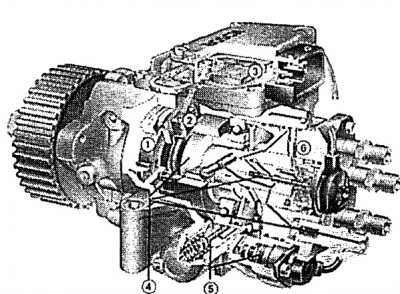
Fig. 4C.5. Bosch high-pressure fuel pump
1 - booster pump,
2 - rotation angle sensor,
3 - fuel pump control unit,
4 - high pressure pump with radial piston and outlet valve,
5 - fuel injection advance clutch - electromagnetic valve,
6 - fuel outlet to the injectors.
(Text provided by the online resource: AUDImanual.ru)