



Using this method with a large fluid reservoir provides additional protection for the hydraulic clutch system from possible air ingress during bleeding.
Warnings: The brake fluid used in the hydraulic clutch drive is poisonous, so if it gets on your skin, rinse the area immediately with plenty of water. If the fluid gets into your eyes or inside your body, seek immediate medical attention. Some fluids are highly flammable and can catch fire even from contact with hot vehicle components. In addition, the fluid used in the hydraulic drive dissolves paint and plastic, so if the fluid gets on your vehicle's paintwork, rinse it with plenty of water. Since this fluid is hygroscopic (absorbs moisture from the air), it is not recommended to use liquid that has been stored in an open container for a long time.
Any hydraulic system will operate properly if the air is removed from it.
When bleeding air, add only clean fluid recommended by the manufacturer. Never reuse fluid that has leaked from the clutch hydraulic system.
If fluids of different grades are accidentally mixed in the hydraulic system, remove the fluid from it, flush with clean fluid of the required grade and install new O-rings.
If fluid constantly leaks from the hydraulic drive or air enters the hydraulic system, determine the cause and location of the leak and repair the damage.
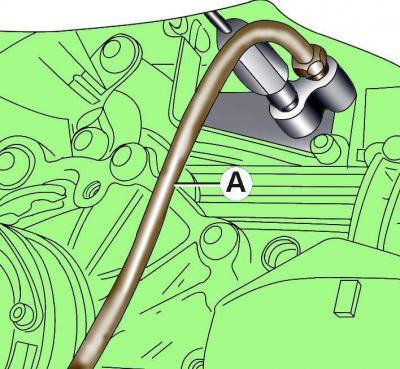
Fig. 8–4. Installing the transparent tube (A) on the clutch slave cylinder bleed nipple
Place one end of the transparent hose on the bleed nipple and lower the other end of the hose into a glass container partially filled with brake fluid (Fig. 8–4).
According to the instructions, connect the pressure air removal device to the master cylinder reservoir.
Unscrew the bleed nipple half a turn and allow the liquid to flow into the glass container until no more air bubbles appear in the container.
After removing air from the hydraulic clutch system, screw on the bleed nipple, remove the hose from it, and then the device from the reservoir.
Clean the bleed nipple from brake fluid and install the protective cap on it.
Check the brake fluid level in the reservoir and add brake fluid if necessary.
[The original material is located on the website: AudiManual.ru]