



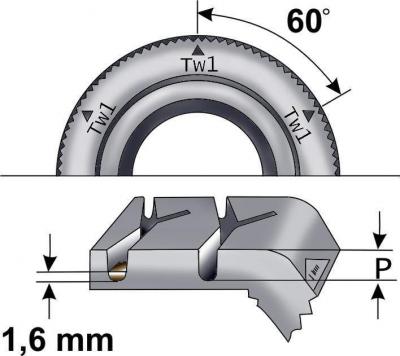
Fig. 13–1. Location of markings on the sidewall of the tire (for example, the letters TWI or a triangle pictogram)
The grooves of the tire tread pattern contain 1.6 mm high tire wear indicators located at right angles to the direction of the tire's forward movement. The indicators (from six to eight, depending on the manufacturer) are placed at equal distances around the tire's circumference. Marking on the sidewall of the tire (for example, the letters TWI or a triangle pictogram) show the location of the tire wear indicators (Fig. 13–1).
Intensive wear of tires is caused by a sporty driving style, sharp acceleration and braking.
The tires can be used until the tread depth reaches 1.6 mm, i.e. the depth of the tread grooves over the entire surface of the tire should be at least 1.6 mm. However, for safety reasons, it is recommended to change the tires when the tread depth reaches 2 mm.
"M+S" tires have sufficient grip on snow with a tread depth of at least 4 mm.
The tire should be inspected. If deep cuts reach the cord, the steel cord will corrode from penetrating moisture.
Worn tires do not provide the necessary traction, especially when driving at high speed on wet roads. In addition, aquaplaning occurs much more quickly with worn tires (loss of grip on wet road surfaces).
This article was previously published on the resource audimanual.ru